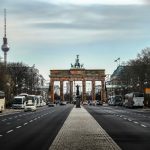
Photo by Norbert Braun on Unsplash
Significant Increase in Building Permits
Germany has experienced a notable increase in building permits in 2025, signaling a potential turnaround in efforts to combat the country’s persistent housing shortage. According to the Federal Statistical Office, nearly 240,000 permits were granted in the year, marking a 10.8 percent rise compared to the previous year. This growth reflects a recovering construction sector after three consecutive years of decline [Source 1].
The surge is particularly evident in permits for single-family homes, which rose by approximately 17 percent to around 45,000 units, and multifamily homes, which saw an increase of roughly 14,000 permits to nearly 130,000. Multifamily dwellings still represent the majority of planned residential construction in Germany [Source 4] [Source 8].
Implications of the Building Permit Increase for the Housing Market
Despite the encouraging rise in permits, experts caution that an approved building permit does not immediately translate to new homes, as construction completion often takes two to three years. This lag means that housing shortages are expected to persist throughout 2026, with forecasts suggesting that only about 200,000 new dwellings will be finished in the current year—well below the estimated annual need of 400,000 units to address the deficit [Source 4] [Source 8].
The housing shortage remains acute especially in urban areas, where affordable housing demand is highest. Rising construction costs, higher interest rates, and a shortage of skilled labor continue to pose challenges to the building sector. The German government has responded with initiatives like the “Bau-Turbo” program aiming to accelerate permit processing and facilitate faster construction starts [Source 2] [Source 7].
What This Means for Expats and International Residents
For expats, international students, and foreign workers living in Germany, the increase in building permits is a cautiously positive sign. However, given the time required for new homes to be completed and the ongoing housing shortage, these groups are likely to continue facing challenges securing affordable rental accommodation, particularly in major cities.
Higher demand combined with limited supply may result in elevated rental prices and increased competition for available units. Expats should prepare for potentially higher living costs and act early in the rental market. It is advisable to track rental offers promptly and be aware of their rights under German tenancy law, including protection from unlawful rent increases or unfair lease terms.
Moreover, expats interested in home ownership should note the growth in building permits for single-family homes as a potential opportunity, although financing conditions and construction costs remain factors to consider carefully. Monitoring government incentives and reforms like the “Bau-Turbo” can provide insights into faster property availability [Source 2] [Source 7].
For up-to-date information, expats can refer to the original report on this trend from Tagesschau: https://www.tagesschau.de/wirtschaft/konjunktur/baugenehmigungen-wohnungsmangel-100.html [Seed Source].