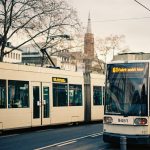
Photo by Khay Edwards on Unsplash
Rising Rents in Germany: Regional Variations and Causes
According to the Institute of the German Economy (Institut der deutschen Wirtschaft, IW Köln), rents across Germany have seen a clear increase compared to the previous year, with notable regional differences in the housing market. The data for late 2024 show that new rental contracts in major cities such as Berlin, Essen, and Frankfurt am Main experienced rent hikes of at least 8 percent. Despite rising rents, property purchase prices have remained relatively stable nationally. The primary factor behind the rent increases is the persistent housing shortage, particularly in high-demand urban locations and sought-after neighborhoods [Source 1][Seed Article].
Trends in Mietpreise in German Cities and Implications for Expats
The nationwide rental index highlights a 0.9 percent increase in new rental contracts during the fourth quarter of 2024 when compared to the previous quarter. Over the entire past year, new rental contracts rose by approximately 4.7 to 4.9 percent, with some cities facing even stronger increases. For example, Düsseldorf and Cologne saw rents rise by over 5 percent, and Hamburg’s rents increased by about 4.4 percent. Berlin, after the discontinuation of its rent cap, recorded especially sharp rent growth. The number of available rental units remains far below 2022 levels in most large cities, exacerbating the situation [Source 1][Source 5][Seed Article].
For expats, international students, and foreign workers, these rising rents mean increasing housing costs, which can significantly affect monthly budgets. Those relocating to Germany’s larger cities or well-connected regions should anticipate higher rental expenses and begin searching early to secure accommodation. Visa applications and residence permits often require proof of tenancy, so timely contract completion is crucial. Furthermore, it’s advisable to familiarize oneself with tenant rights and obligations to avoid unexpected costs or disputes in a tight rental market.
Stable Purchase Prices and Housing Market Outlook
While rents escalate, purchasing property has not become considerably more expensive nationwide. The price of single- and two-family homes increased slightly by around 0.9 percent in the third quarter of 2025 compared to the previous quarter, although a year earlier, prices were about 3.5 percent lower. Notably, housing price growth has been more pronounced in city outskirts with a 4.4 percent rise. However, the overall trend suggests a stagnation or mild increase in property purchase prices, contrasting with the sharp upward movement in rents. This distinction is relevant for expats considering long-term residence and home ownership in Germany [Source 3][Source 5][Seed Article].
What Expats Should Consider
Expats arriving or currently living in Germany should be aware that the rental market remains highly competitive and costly, particularly in major urban centers. Early rental searches, flexibility on locations, and timely documentation are crucial for securing housing at reasonable rates. Understanding local rental laws and contracts can prevent potential misunderstandings or disputes. Those considering buying property should monitor market developments but keep in mind that purchasing remains more stable compared to rental inflation. For more information, readers may consult the original IW Köln report available via Tagesschau [Seed Article].