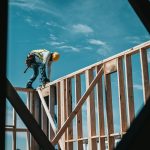
Photo by Ibrahim Rifath on Unsplash
Current Housing Shortage and Legislative Response
Germany faces a significant housing deficit, with estimates indicating a shortage of approximately 1.4 million residential units. The slow pace of new construction has exacerbated this issue, prompting government intervention. In response, the federal cabinet has approved a new draft legislation aimed at accelerating housing development, particularly by easing regulatory hurdles and streamlining planning procedures. The bill, which revises the Federal Building Code, is expected to be presented to parliament and could come into effect as early as the beginning of 2027, according to Federal Minister for Housing, Verena Hubertz (SPD) [Source 1].
Key Provisions of the Housing Construction Law
The proposed law primarily focuses on empowering municipalities to build new housing more efficiently by clarifying where and how new developments can proceed. It seeks to resolve common conflicts around land use, such as those between residential construction, road expansion, and green space preservation. Public participation requirements in planning will also be simplified, with a shift toward digital, one-step involvement processes, intended to reduce delays [Source 1].
Additionally, industry representatives emphasize the need for housing construction to be legally recognized as an overarching public interest. This change would provide planning and approval authorities with greater legal certainty to approve projects promptly and confidently. The introduction of nationwide baseline construction standards is another proposal designed to cut costs by eliminating excessive and varied building requirements. A system overhaul toward affordability, with simpler, legally secure standards, aims to reduce bureaucratic obstacles and enhance transparency for all stakeholders involved in construction [Source 7].
Implications for Expats and International Residents
For expats, international students, and foreign workers in Germany, this development could improve access to housing amid the ongoing shortage. Faster planning and construction processes may increase the availability of both rental and ownership options. With the law expected to take effect around 2027, those currently seeking housing in cities with high demand should monitor the legislative progress and local housing market changes.
Practically, the new regulations may influence rental prices and application processes, potentially easing competition for housing. However, specific effects on rent levels are not yet detailed. Expats should stay informed about local municipal housing initiatives and consider reaching out to housing agencies or relocation services to understand emerging opportunities or changes in housing allocation policies.
Since the legislation also involves digitization of citizen participation in planning, non-German speakers may benefit from online platforms that offer streamlined access to information and feedback channels, although language barriers could persist.
Outlook and Next Steps
The legislative proposal represents a coordinated government effort to reverse the sluggish housing construction trend while addressing the complex balancing act of urban development and environmental preservation. It comes amid a broader context of increased building permit approvals and dialogues between political and industry stakeholders seeking practical solutions to Germany’s housing crisis [Source 8].
While this draft law aims for a 2027 rollout, stakeholders including expats should watch for parliamentary debates and local implementation frameworks. Understanding these changes will be crucial for navigating housing markets in Germany’s urban regions in the coming years.
For ongoing updates, readers can refer to the original government overview available at tagesschau.de [Source 1].