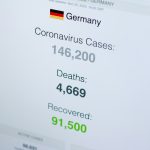
Photo by Vladislav Anchuk on Unsplash
Introduction of Primary Care System in Germany
The German healthcare system faces significant challenges including excessive doctor visits, high costs, and long waiting times. To address these issues, the federal government plans to implement a primary care system requiring patients with statutory health insurance to first consult a general practitioner (GP) before seeing a specialist. This system, commonly referred to as the Primärarztsystem, aims to streamline care, enhance coordination, and reduce unnecessary specialist appointments [Source 1].
Key Features and Implementation Timeline
The Primärarztsystem will make the GP the central point of contact for medical concerns. Patients are generally expected to register with a specific GP practice and seek an initial assessment there. If specialist treatment is required, the GP will provide referrals and facilitate faster access to specialist appointments. The system also intends to improve communication between different healthcare providers to create better coordinated care pathways [Source 1][Source 6].
While the government coalition has committed to introducing a binding primary care system in its 2021 coalition agreement, experts suggest that implementation will not begin before 2027. The efforts are part of a wider move to increase steering mechanisms in the healthcare sector, but it is unclear if mandatory first visits to GPs will apply universally or if some flexibility will remain for patients [Source 4].
Current Challenges and Support
The healthcare system currently experiences approximately one billion doctor visits annually. Many patients find the system confusing when deciding which specialist to visit and report difficulties navigating care coordination among doctors, hospitals, and nursing facilities. According to a Forsa survey commissioned by Techniker Krankenkasse, 41% of respondents in Lower Saxony described problems with interprofessional cooperation [Source 1].
The medical community mostly supports the idea of a GP-centered system as a means to improve patient care and reduce unnecessary specialist consultations. The Ärztekammer Schleswig-Holstein, for example, regards the plan as beneficial, emphasizing the importance of having a competent first point of contact for patients to guide suitable referrals and treatments [Source 6].
Impact and Considerations for Expats and International Residents
For expats, foreign workers, and international students living in Germany, the introduction of the Primärarztsystem means that navigating the healthcare system will require registering and establishing a relationship with a local GP. Access to specialists will be largely dependent on referrals from these primary care physicians. This could add an additional step in the care process but might also reduce confusion about which specialist to approach.
Practical implications include potential changes in appointment scheduling and the necessity to understand the referral procedures. Expats should consider identifying a GP early and familiarizing themselves with the local healthcare infrastructure. Understanding insurance coverage for the new system will also be important since it specifically targets those with statutory health insurance.
The reforms aim to reduce wait times for specialist care by improving the GP’s role in managing patient pathways. However, expats who have traditionally directly approached specialists may need to adjust their expectations and timelines accordingly [Source 1][Source 6].
Conclusion
Germany’s planned Primärarztsystem represents a significant shift toward a more coordinated and efficient healthcare structure. While it promises improved steering of patient care, its full impact will depend on the details of implementation and how both healthcare providers and patients, including expats, adapt to the new system. The government’s targeted launch date after 2027 gives patients and doctors time to prepare for these changes [Source 4].
For additional information, readers may refer to the original report by Tagesschau: Diskussion um Primärarztsystem: Ohne Hausarzt kein Spezialist [Source 1].