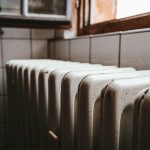
Photo by Norbert Braun on Unsplash
New Heating Subsidies Now Available in Germany
From today, homeowners and property owners in Germany can apply for updated subsidies to install climate-friendly heating systems. The KfW development bank has updated its application portal “Meine KfW,” enabling property owners to seek financial support for new energy-efficient heating technologies as part of the Federal Heating Modernization Program. The changes come as the government continues to push for decarbonization of buildings by promoting heating systems that use renewable energy sources [Source 1].
Eligible applicants include private homeowners of single-family and multi-family houses, condominium owners within homeowners’ associations (WEGs), and WEGs themselves, provided measures involve property parts they own collectively. Additionally, partnerships owning residential properties may apply under business-related heating promotion programs. The funding applies solely to existing buildings aiming to install efficient heating systems or connect to district heating networks [Source 6].
Scope and Amounts of Heating Subsidies
The subsidies cover up to 70% of eligible costs when installing renewable and low-carbon heating technologies such as heat pumps, biomass boilers, and modern district heating connections. For example, households may receive direct grants up to €21,000, depending on the system type and installation scale. The funding can be accessed either as a direct grant or combined with low-interest supplementary loans to ease the financial burden [Source 1][Source 2][Source 5].
Applicants must submit their subsidy requests through the KfW’s online portal https://www.kfw.de/inlandsfoerderung/Heizungsf%C3%B6rderung before starting any installation work. This is crucial to remain eligible for funding. The subsidy scheme is part of the Federal Funding for Efficient Buildings (BEG), which is financed by Germany’s Climate and Transformation Fund and supports both the replacement of old heating systems and building energy upgrades [Source 8].
Implications for Expats and International Residents in Germany
Expats, international students, and foreign workers who own property or jointly own homes in Germany should carefully consider applying for the heating subsidy if planning renovations. Installing a climate-friendly heating system can markedly reduce long-term energy costs and improve environmental impact while lowering upfront expenses through government aid. Moreover, navigating the KfW portal and understanding eligibility criteria early can help avoid delays or loss of subsidy opportunities.
It is advisable for foreign residents to consult certified energy advisors or local heating specialists familiar with the subsidy framework. They can assist in selecting suitable heating solutions, ensuring compliance with technical standards, and correctly filing applications. Notably, tax benefits are available alternatively for private property renovators, further enhancing the financial viability of heating modernization [Source 1].
Given the sunset of older subsidy programs and the increased focus on renewable technologies, timely action is key to maximize support before any future policy changes. More information can be found via the official KfW site and through dedicated advisory services [Source 1][Source 6].
For detailed information, readers can refer to the original German article here: https://www.tagesschau.de/inland/innenpolitik/klima-heizungstausch-kuerzungen-100.html [Source 1].