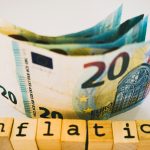
Photo by Mehluli Hikwa on Unsplash
Fuel Prices Jump After End of German Tank Rebate
Fuel prices in Germany have increased sharply following the expiration of the government’s fuel tax discount, known as the “Tankrabatt.” From midnight, the reduced tax rate on gasoline and diesel ended, leading to a notable rise in pump prices across the country. By midday, the nationwide average price for Super E10 and diesel topped two euros per liter, reversing the temporary relief consumers experienced during the rebate period [Source 1].
The increase has been quantified at approximately 13 to 20 cents per liter for both gasoline and diesel. Early Wednesday morning data showed Super E10 prices rising by about 13.4 cents compared to the prior day, consistent with multiple reports from economic and consumer organizations monitoring fuel prices [Source 2][Source 6][Source 8].
Implications for Expats and International Residents
The sharp rise in fuel prices directly impacts expats, international students, and foreign workers living in Germany who rely on personal vehicles or require fuel for commuting. With prices now consistently above two euros per liter, budgeting for transportation costs will require careful adjustment. Those using cars for daily travel or professional duties should anticipate increased fuel expenses and consider alternatives such as public transport or car-sharing where feasible.
Additionally, international students and newcomers should be aware that the relief from the fuel tax discount has ended, removing a temporary financial buffer. Those with monthly or weekly transit passes might find a comparative cost advantage in public transportation over driving at current fuel prices. Understanding the timing of the tax change can also help residents plan fuel purchases strategically, although prices are expected to remain elevated [Source 3].
Background and Broader Context
The German government introduced the Tankrabatt to alleviate the burden of rising energy costs amid global inflationary pressures. The tax reduction was applied to both petrol and diesel but was phased out as planned after a limited duration. Despite some expectations of record price spikes at midday, the increase was significant yet somewhat smoother than feared [Source 6].
Consumer groups such as the ADAC and economic experts have criticized the short-lived nature of the rebate, suggesting that more sustained measures might be necessary to provide long-term relief to motorists. As fuel prices stabilize above the two-euro mark, Germany is likely to see increased attention on energy costs and their impact on household budgets and economic activity [Source 7].
For further information, readers can refer to the original detailed report at Tagesschau [Source 1].