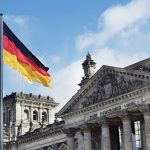
Photo by Maheshkumar Painam on Unsplash
Germany’s Economy Gaining Momentum
Germany’s economy is showing signs of recovery, as recent economic data indicate growth for the third consecutive quarter. The country’s gross domestic product (GDP) rose by 0.3% in the second quarter of 2024 compared to the previous quarter. This positive development reflects improving business confidence, with the ifo Business Climate Index rising for the fourth month in a row, reaching its highest level in a year. Rising exports, which contributed significantly to the growth, played a critical role in this economic upturn, highlighting a more positive outlook for Europe’s largest economy [Source 1].
Key Drivers: Exports, Digitalization, and State Spending
The growth is supported by several factors. Export increases have helped to steady the economy, while the surge in demand for digital and technological infrastructure—especially related to artificial intelligence (AI)—is driving investments in data centers. Companies in sectors such as electronic and optical products and various vehicle categories, including aircraft and military vehicles, have secured substantial large orders. Furthermore, the German government’s substantial spending on infrastructure and defense has boosted demand, particularly benefiting construction sectors like civil engineering, which saw an order increase of 9.3% in the second quarter [Source 1].
Implications for Expats and Foreign Workers
For expats, international students, and foreign workers in Germany, this economic rebound could translate into increased job opportunities, especially in technology, engineering, and construction fields. Rising business confidence and government investments suggest a favorable environment for employment growth. However, with the economy gradually recovering rather than booming, expats should remain aware of the competitive job market and ongoing cost-of-living considerations. Continued state infrastructure projects may also improve public services and transportation, positively impacting day-to-day life.
It remains important for foreign residents to stay informed about relevant work permits or visa conditions, especially if considering employment in sectors benefiting from these economic trends. Monitoring official announcements about government contracts and large-scale projects can also offer valuable insights into emerging job prospects [Source 2][Source 3].
Outlook and Sustainability of Growth
While this recovery phase is encouraging, experts caution that the positive trends should be viewed as part of a cyclical pattern rather than a guaranteed sustained boom. Germany’s economy has historically experienced fluctuations, with recessions typically followed by periods of growth. Optimism around new technologies like AI and the boost from state spending provide grounds for cautious hope, yet challenges such as global economic uncertainties and inflationary pressures remain [Source 4][Source 6].
Overall, the current trajectory points to slow but positive GDP growth into 2025, supported by a potentially stabilizing inflation rate. Economic analysts emphasize the importance of continued government support for innovation and reducing bureaucratic hurdles to maintain this momentum [Source 7].
For expats and foreigners living in Germany, understanding these economic shifts can help in planning employment and financial decisions, especially regarding job stability and cost management during this gradual recovery phase.
For more details, see the original analysis at Tagesschau [Source 1].