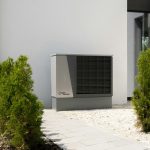
Photo by Fernando Galvis on Unsplash
Overview of Germany’s Heating System Subsidies
Germany has introduced new funding rules for the installation of heat pumps and climate-friendly heating systems as part of its ongoing energy transition efforts. In 2025, homeowners and tenants can apply for financial support to replace outdated fossil fuel heating systems, with subsidies covering up to 70% of investment costs depending on the heating technology and income. This shift is driven by government legislation aimed at increasing the share of renewable energies in heating to at least 65% in new systems [Source 1].
Who Qualifies and How Much Funding Is Available?
The subsidies primarily target households replacing oil and gas heating systems with renewable alternatives such as heat pumps. According to the latest regulations, eligible households can receive grants or loans from institutions like the Kreditanstalt für Wiederaufbau (KfW) or the Federal Office for Economic Affairs and Export Control (BAFA). The maximum state funding can reach up to 70% of the total investment cost, enabling heat pump installations to become affordable from around €9,000 after subsidies. Income-based bonuses of 10% to 40% may further increase the funding for lower and middle-income households [Source 1, Source 7].
These financial incentives aim to facilitate the replacement of existing heating systems that must be retired after 30 years of service or when they are defective, according to the building modernization law (Gebäudemodernisierungsgesetz) effective from 2025 [Source 3, Source 8].
Cost Implications and Practical Advice for Expats
The cost of installing a new heating system in Germany ranges widely, from approximately €8,000 to €50,000 depending on the technology and household size. For instance, average heat pump installations can cost between €27,000 and €50,000 before subsidies, but state funding dramatically lowers this burden. Expats, especially those owning property or renting for the long term, should assess eligibility for subsidies promptly to reduce out-of-pocket expenses [Source 2, Source 7].
For tenants, recent adjustments in subsidy rules now also provide clearer guidance on funding eligibility, offering potential financial relief when landlords replace heating systems [Source 1]. Additionally, newer gas or oil heating systems under 30 years that are still operational do not need immediate replacement, providing time for decision-making [Source 3].
Required Actions and Deadlines
Expats and international residents planning renovations or moving into German homes should consider the 2025 deadline as a key moment due to stricter efficiency and renewable energy requirements. Applying early for funding through KfW or BAFA and consulting an energy advisor can optimize heating system choices and ensure compliance with legal requirements. This process helps avoid penalties and higher energy costs in the future as fossil fuel heating becomes increasingly regulated and costly [Source 1, Source 8].
More comprehensive details and application guidance can be found in the original reporting by Tagesschau [Source 1]: Heizungsaustausch: Wer jetzt mit wie viel Geld rechnen kann.